




 ShareCompartir
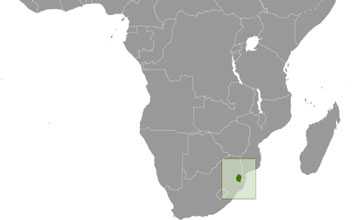
CDC began supporting Swaziland in 2004 and opened a field office there in 2007. Swaziland has the world’s highest estimated prevalence rate of HIV-infected adults (26% of people aged 15-49). In addition, Swaziland’s TB incidence rate is the highest in the world, and 80% of TB patients are co-infected with HIV. CDC works closely with partners to build health systems for a sustained response to the epidemic.
Download Overview Fact Sheet

 Staff
Staff
CDC office (physical presence)
3 Assignees
3 Locally Employed
 Swaziland at a Glance
Population: 1,109,000
Per capita income: $1,510
Life expectancy at birth women/men: 58/54 yrs
Infant mortality rate: 78/1000 live births
Population Reference Bureau World Population Data Sheet, 2011
 Top 10 Causes of Death
Source: GBD Compare, 2013
- HIV 31%
- Lower respiratory infections 8%
- Tuberculosis 7%
- Diarrheal Diseases 5%
- Ischemic Heart Disease 4%
- Stroke 4%
- Cancer 4%
- Diabetes 3%
- Road Injuries 2%
- Self Harm 2%
What CDC Is Doing

 CDC supports the MoH in developing innovative systems to improve collecting and utilizing data that guides strategic decision making. This includes a first-of-its-kind national HIV survey and study to improve linkage of persons newly diagnosed with HIV to care services. Supported technically and financially by CDC, the Swaziland HIV Incidence Measurement survey (SHIMS) provides information to evaluate combination HIV prevention efforts including the national medical male circumcision campaign. Findings from the first phase of SHIMS indicated that HIV prevalence in Swaziland remains high at 32% among the age group 18-49, but that prevalence has sharply declined in men and women under age 25 since 2006. CDC is supporting a redesign of the ART/TB client management information system to improve user friendliness and is providing hands-on training to encourage data use at the facility level. A computer software dashboard has also been developed to analyze data from satellite facilities separately from those of the main ART centers. National ART outcomes and costing studies are being completed in 2012 and, for the first time, will provide the country with cost-effectiveness information on which to base program decisions.
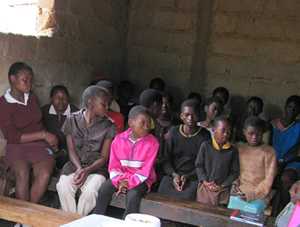 CDC Swaziland operates in the context of a “whole of U.S. Government (USG)” approach, applying the Global Health Initiative (GHI) principles to expand the impact and sustainability of its health investments, while engendering ownership within Swazi institutions for the long term. In close partnership with other U.S. government agencies and key Swazi stakeholders, CDC is leveraging its strong HIV program presence on the ground as a platform for addressing GHI-Swaziland focus areas: integration of programs for prevention of mother-to-child transmission of HIV and maternal/neonatal/child health; research and evaluation for innovation; addressing harmful gender norms; and health systems strengthening.
- Page last reviewed: April 6, 2015
- Page last updated: April 6, 2015
- Content source:
Global Health
Notice: Linking to a non-federal site does not constitute an endorsement by HHS, CDC or any of its employees of the sponsors or the information and products presented on the site.